
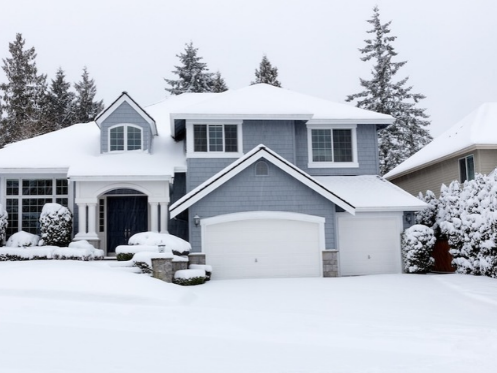
Freezing temperatures, heavy snow, and biting winds put New Jersey homes to the test. If you find yourself constantly adjusting the thermostat, feeling chilly drafts, or watching your heating bills climb, the issue may lie with your home’s exterior protection.
The quality of your home’s siding, framing, air sealing, and insulation plays a crucial role in how well it performs during the winter. These features form a protective barrier that keeps your family warm and safe while preventing heat loss and moisture damage.
Why Your Home’s Building Envelope Matters in Winter
Your building envelope is the outer shell that separates your living spaces from cold winter weather. This thermal barrier includes your siding, framing, insulation, windows, doors, and roof. When all these parts work together correctly, they effectively control how heat, air, and moisture move in and out of your house.
During a Northern New Jersey winter, a high-performance building envelope is essential. It prevents heated air from escaping and reduces cold air seeping into your living spaces. This does more than keep you comfortable. It also reduces strain on your heating system, lowers energy consumption, and helps prevent moisture issues like condensation and mold growth. Effective winter protection is about how the entire system performs together.
Inspecting Your Siding Before Winter Weather Arrives
Your siding is the first line of defense against wind, snow, and ice. It’s designed to shed water and block wind, protecting your home’s underlying structure. Before winter, walk around your property and look for signs of damage that could become a major problem.
- Cracked, warped, or loose siding panels
- Cracking caulk around windows and doors
- Damaged or missing flashing
- Deteriorating seals around vents and pipes
- Water stains on interior or exteriorwalls
Minor cracks or small gaps can sometimes be addressed with simple repairs. However, widespread damage, rot, or aging materials may indicate that more extensive exterior improvements are necessary to protect your home properly through the winter.
How Proper Framing Supports Winter Protection
Your home’s framing is the structural backbone that supports everything else. In addition, it creates the foundation for effective insulation and air sealing. If your framing is poorly constructed or has been damaged by water, it can allow pathways for energy loss.
Loose framing connections, materials that have shifted over time, or wood that has suffered moisture damage can create gaps where heat can easily escape. A solid, straight, and dry frame allows insulation to fit snugly without gaps and ensures that air sealing can be applied correctly.
Air Sealing: Preventing Drafts and Heat Loss
A draft near a closed window is a good example of poor air sealing. Other vulnerable points, such as seals around roof penetrations and skylights, can deteriorate over time due to weather damage or age. These air leaks allow heated indoor air to escape and cold outdoor air to seep in, driving up your energy bills and reducing comfort.
- Around window and door frames
- Attic access hatches
- Recessed lighting below your attic
- The rim joist where the foundation meets framing
- Openings for plumbing, electrical wiring, and vents
Professionals use methods like blower door testing to depressurize a home, which makes it easy to identify the location and severity of air leaks. Sealing these gaps is one of the most cost-effective ways to improve your home’s comfort and energy efficiency.
Understanding Modern Home Insulation Standards
Insulation’s performance is measured by its R-value, which indicates its ability to resist heat flow. The higher the R-value, the better the insulation. In New Jersey’s climate, having appropriate insulation levels in your attic, walls, and foundation is critical for keeping your home warm.
Building and energy codes have become more stringent over the years, meaning many older homes are under-insulated by today’s standards. Upgrading attic insulation is a common starting point, but wall insulation is just as important. Modern building practices may even include a layer of continuous exterior insulation, installed outside the framing to create a thermal blanket that stops heat loss through wood studs.
It’s important to remember that insulation and air sealing serve different but complementary purposes. Insulation slows heat transfer, while air sealing prevents air movement. A well-winterized home needs both to be effective.
When Should You Consider Winter-Ready Home Improvements?
You may not need a major renovation, but certain signs suggest a professional evaluation of your home’s envelope is a good idea.
- Persistent drafts or cold rooms
- Steadily increasing heating costs
- Visible siding damage, rot, or warping
- Moisture, condensation, or mold
- Older or insufficient insulation
Major projects like siding replacement, home additions, and major renovations present an opportunity to address underlying issues. When opening up your walls, professionals can significantly improve your home’s building envelope, leading to long-term benefits in comfort and energy savings.
Prepare Your Northern New Jersey Home for Winter with Modern Building Group
A home that performs well in winter is no accident. It’s the result of quality construction, weather-resistant materials, and careful attention to building performance details. At Modern Building Group, we create beautiful, durable, and energy-efficient homes for our clients in Northern New Jersey. We understand how to build and remodel homes that stand up to our challenging climate, ensuring your family stays comfortable all season long.
If you are building a new home, planning a renovation, or want to improve your home’s readiness for winter, contact Modern Building Group to discuss your siding, insulation, and air sealing needs in Northern New Jersey.
Frequently Asked Questions
Can new siding help keep my home warmer in winter?
While siding itself provides a modest amount of insulation, its main benefit comes from blocking wind and moisture. When siding is installed along with a weather-resistive barrier and new insulation, it can significantly reduce air leaks and heat loss, keeping your home warmer.
What is the difference between insulation and air sealing?
Insulation works by trapping pockets of air to slow the transfer of heat through walls and ceilings. Air sealing, on the other hand, is the process of finding and filling all the small cracks and gaps that allow air to move through the building envelope. You need both for optimal protection.
How do I know if my home’s insulation meets current standards?
The most reliable way is to have a professional assessment or an energy audit. An expert can identify the type and measure the depth of your insulation, especially in the attic. They can then compare it to the levels recommended by New Jersey building codes for our climate zone. In some cases, signs of under-insulation include high energy bills and rooms that are difficult to keep warm.